
Fair prices. Fast approvals. Your health always comes first. Get Qualified for a Florida Medical Marijuana Card Today.
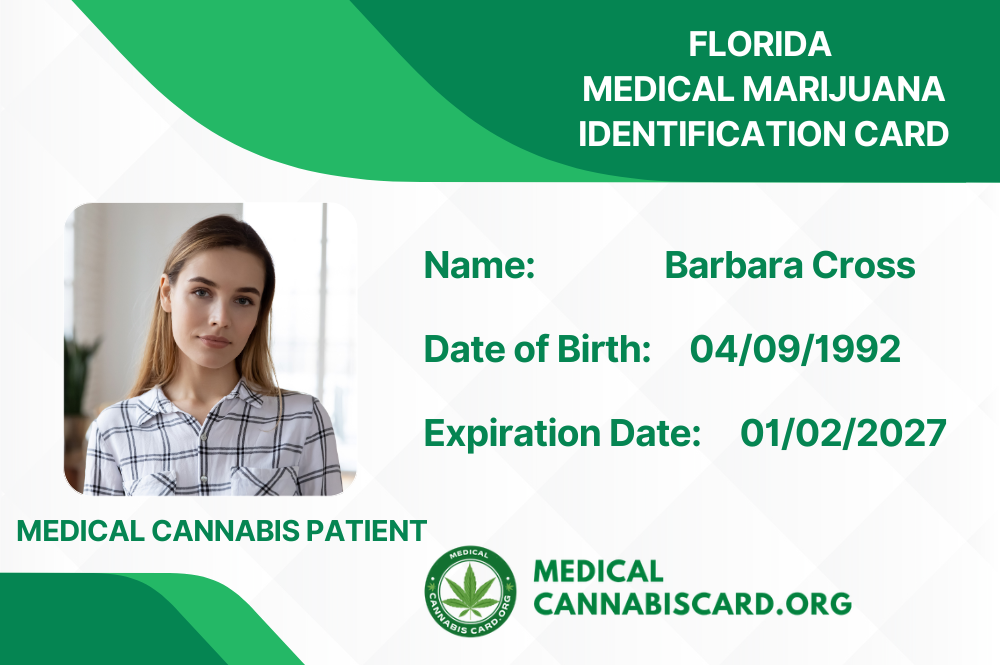
Living in Florida is a dream for many. We enjoy the white sands of Siesta Key, the magical energy of Orlando’s theme parks, and the historic charm of St. Augustine. However, the Florida lifestyle can be physically demanding. Long days in the high humidity can worsen joint pain. The stress of commuting on the busy I-4 corridor can impact your mental health. For many residents, finding relief means looking into the state’s medical cannabis program. To get started, you must understand the current qualifying conditions for Medical Card in Florida 2026 to see if you are eligible for legal access.
Florida law is very specific about who can access medical cannabis. The Department of Health oversees the program. They have a primary list of conditions that automatically make a patient eligible for an evaluation.
If you have been diagnosed with any of the following, you meet the qualifying conditions for a Medical Card in Florida 2026:
Multiple Sclerosis (MS): Managing nerve pain and mobility challenges.
Many people look at the list above and worry because their specific diagnosis isn’t there. However, Florida law includes a very important phrase: “Medical conditions of the same kind or class as those enumerated.”
This means a licensed doctor has the power to recommend medical marijuana for conditions that are similar to the ones listed. For example, if you suffer from severe anxiety, a doctor may determine it is in the “same class” as PTSD.
If you have autoimmune issues, they might be considered in the “same class” as Crohn’s or MS. This flexibility ensures that patients with unique needs across the Sunshine State, from the quiet suburbs of Coral Springs to the bustling streets of Jacksonville, can still find the help they need.
Chronic pain is one of the most common reasons Floridians seek a medical card. Florida defines this as pain that is caused by a qualifying medical condition and persists beyond the usual course of that condition.
Think about the physical toll of living in Florida. Perhaps you spent years working on fishing boats in the Keys, or you’ve spent decades maintaining a large garden under the hot afternoon sun. This physical labor can lead to lasting back, neck, or joint pain. If this pain is debilitating and related to an underlying qualifying issue, you likely meet the qualifying conditions for Medical Card in Florida 2026.
In recent years, the focus on mental health has grown significantly in Florida. Many residents living in high-stress environments or dealing with the aftermath of natural disasters like hurricanes find relief through medical cannabis.
PTSD is a primary qualifying condition. It is not just for military veterans. It can also apply to survivors of accidents or severe weather events. If you experience flashbacks, severe night terrors, or paralyzing anxiety, you should speak with a qualified physician.
While depression is not explicitly on the state’s main list, many doctors find that it qualifies under the “same kind or class” rule if it is severe and life-altering. Similarly, if your condition causes chronic insomnia that affects your daily life in your suburban Clearwater neighborhood, it may be a factor in your qualification.
You cannot simply walk into a dispensary with a self-diagnosis. You must visit a state-qualified physician. This is a doctor who has completed specific training with the Florida Department of Health.
During your visit, the doctor will:
It is helpful to bring medical records from your primary care doctor or specialist. This makes the process much faster. If you are a “Snowbird” or a seasonal resident living in a condo in Naples for the winter, you can still qualify! You just need to provide proof of temporary residency, such as a lease or a utility bill.
Consider “Robert,” a 70-year-old resident of The Villages. Robert loves playing golf, but his Parkinson’s tremors and related chronic back pain were making it impossible to enjoy his retirement. He wasn’t sure if he met the qualifying conditions for Medical Card in Florida 2026 because his pain was his main complaint.
Robert visited a qualified physician in Lake County. The doctor reviewed his Parkinson’s diagnosis and explained how the “same kind or class” rule applied to his specific type of nerve pain.
Within weeks of receiving his card, Robert was back on the golf course with significantly less discomfort. His story is common among Florida seniors who are moving away from heavy pill regimens toward more natural options.
Florida law also allows for the use of medical marijuana for patients diagnosed with a terminal condition. A terminal condition is one where the patient is not expected to live beyond 12 months without life-sustaining treatment.
In these sensitive cases, the goal is “palliative care”—making the patient as comfortable as possible during their final months.
The Florida medical marijuana program is designed to be safe and regulated. By obtaining a card, you ensure that the products you use are tested in a lab for purity and potency. This is much safer than buying unregulated products.
Furthermore, having a card provides you with legal protection. Whether you are enjoying a sunset at a park in Sarasota or relaxing in your backyard in Tallahassee, you deserve peace of mind. Knowing that you meet the qualifying conditions for Medical Card in Florida 2026 is the key to unlocking that security.
To make sure you are ready, follow this simple checklist:
Navigating health challenges can feel overwhelming, especially when the Florida heat or the stresses of daily life add to your burden. However, the state has created a clear path for those in need. By reviewing the qualifying conditions for Medical Card in Florida 2026, you can determine if medical cannabis is the right choice for your wellness journey.
Don’t let chronic pain or anxiety keep you from enjoying everything our beautiful state has to offer. Reach out to a qualified professional today and take the first step toward a higher quality of life.